11.png)
Introduction
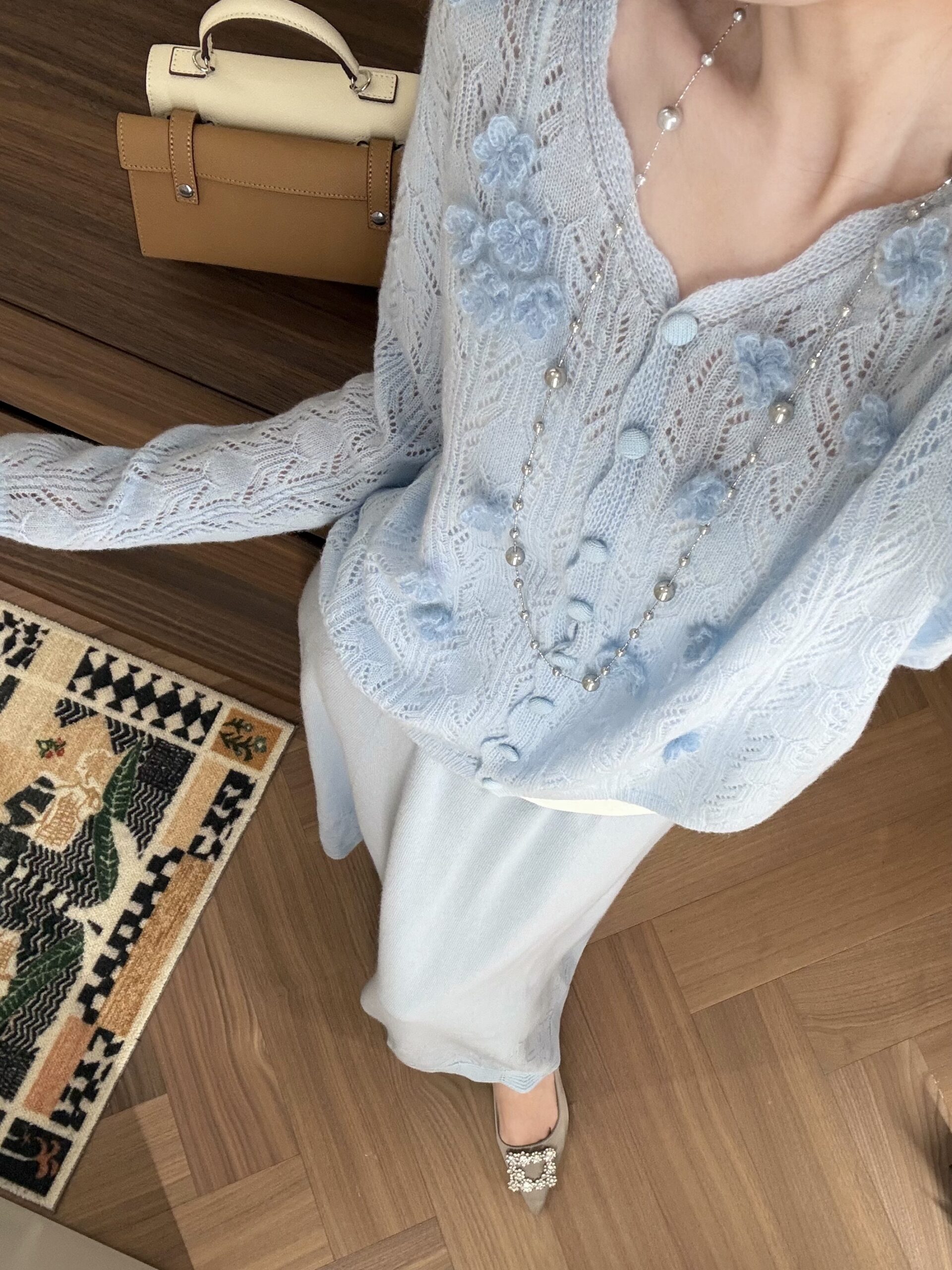
In knitted garment B2B manufacturing, buyers evaluate quality not only by fabric feel, elasticity, or design appearance, but largely by finishing craftsmanship. Hand-finished details including hand overlocking, manual thread trimming, handmade seam joining, and edge neatening are core quality indicators for European, American, and Russian apparel importers.
Machine mass production focuses on speed and low cost, while hand finishing focuses on durability, stability, and premium garment performance. For wholesale buyers, hand-finished knitted garments mean lower defect rates, fewer returns, longer product lifespans, and stronger market competitiveness for resale brands.
Why Hand Overlocking Is Essential for Knitted Fabrics
Knitted materials feature high elasticity, loose stitch structure, and flexible texture. These natural advantages also bring common risks: fraying, edge curling, loose seams, and deformation after washing.
Automatic machine overlocking uses fixed stitch tension and unified stitch spacing. It cannot adapt to fabric stretching changes. After repeated wearing and laundry cycles, machine-sealed edges easily crack, loosen, or fray, causing large-area defective products in bulk orders.
Professional hand-finished overlocking solves knitted fabric defects fundamentally. Experienced workers adjust stitch tightness, stitch density, and sewing angles according to fabric weight, elasticity, and knitting structure. Hand stitches stretch with the fabric during pulling and recover flat during relaxation. This handmade balance ensures stable edges, zero loose threads, anti-curl performance, and wash-resistant durability.
Hand Finishing Improves Garment Grade and Consistency
In B2B bulk orders, quality consistency is the top requirement for international buyers. Machine finishing often creates rigid seams, uneven joints, protruding threads, and stiff edges. These tiny flaws accumulate in large shipments and lead to order rejection or customer complaints.
Hand finishing delivers uniform, clean, and soft finishing effects across the whole batch. Manual thread trimming removes all redundant threads. Hand seam alignment eliminates bulges and uneven stitching. Every edge remains smooth, neat, and stylish.
For middle and high-end knitted clothing wholesalers, hand-finished details directly upgrade product grade, support higher retail pricing, and enhance brand reputation.
B2B Trade Value of Handmade Craftsmanship
Global garment procurement standards are becoming stricter. Overseas importers check finishing details as key audit items before confirming bulk cooperation.
Knitted garments with pure machine finishing face high after-sales rates, unstable quality, and low repurchase rates. In contrast, products with standard hand finishing show:
• Lower defect rate
• Anti-deformation performance
• Better wash durability
• Higher customer satisfaction
• Stable bulk order consistency
Hand finishing is no longer an optional extra process. It has become a necessary quality threshold for exporting knitted garments to Europe, America, and Russia markets.
Conclusion
Fabrics and styles can be copied easily in the apparel industry, but mature hand-finished craftsmanship and strict detail control cannot be replicated quickly.
Machine production realizes mass output; hand finishing realizes premium quality. For knitted garment manufacturers focusing on long-term B2B export business, standardized hand-finished details are the core advantage to escape low-price competition, stabilize bulk order cooperation, and build reliable overseas brand credibility.
FAQ
Q: What are hand-finished details in knitted garments?
A: Hand-finished details mainly include hand overlocking, manual thread trimming, handmade seam joining, and edge neatening, specially optimized for elastic knitted fabrics.
Q: Why do B2B buyers prefer hand-finished knitted clothes?
A: Hand finishing prevents fraying, curling and seam cracking, improves washing durability, ensures batch consistency, and reduces order defect and return rates.
Q: Is hand finishing better than machine finishing for knitted fabric?
A: Yes. Knitted fabrics require flexible stitch tension. Only manual adjustment can match fabric elasticity, while fixed machine stitches easily deform after washing.
Q: Does hand finishing increase garment quality level?
A: Definitely. Clean hand-sealed edges, flat seams and zero loose threads greatly improve visual delicacy and market grade for wholesale and retail sales.