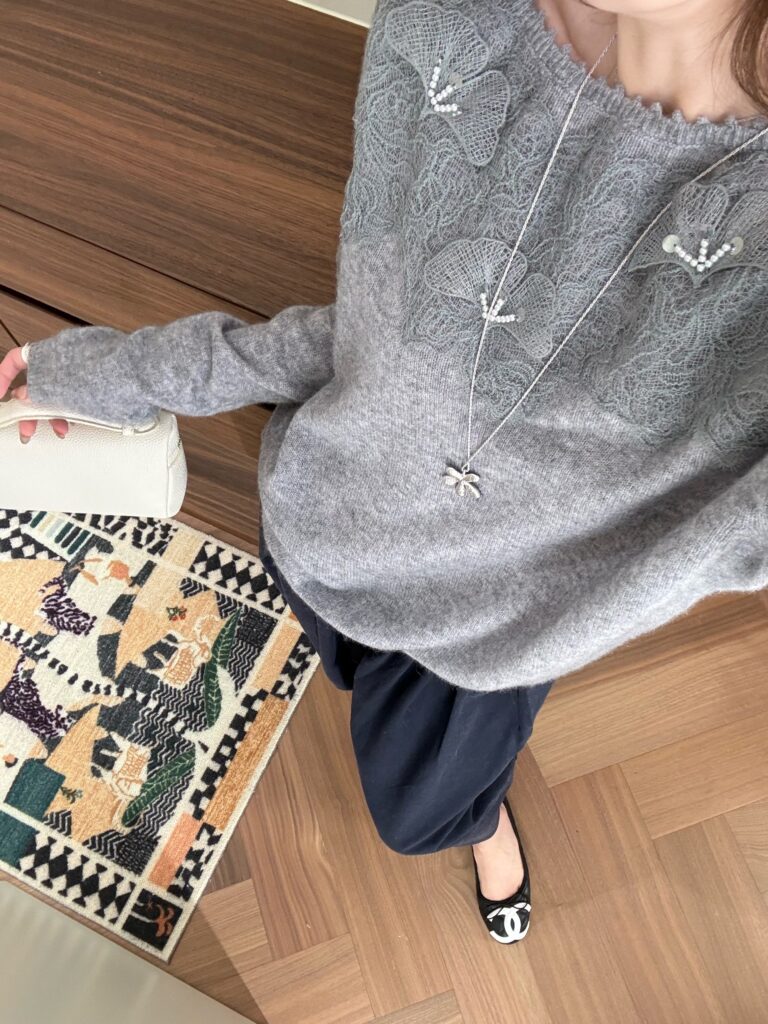
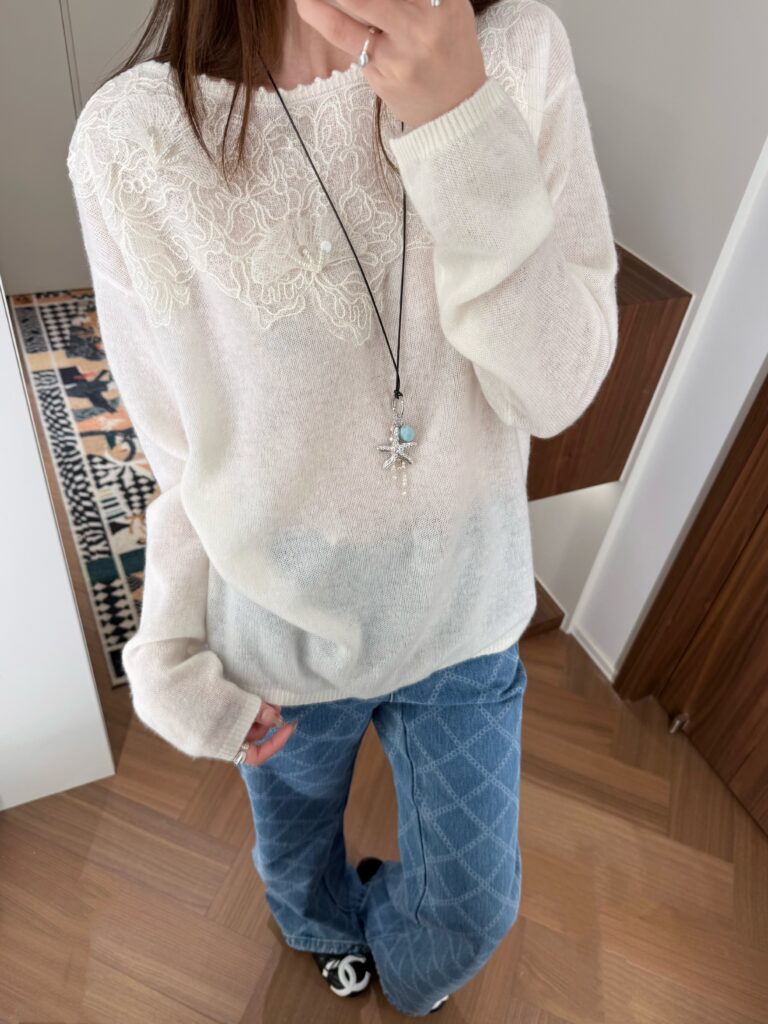
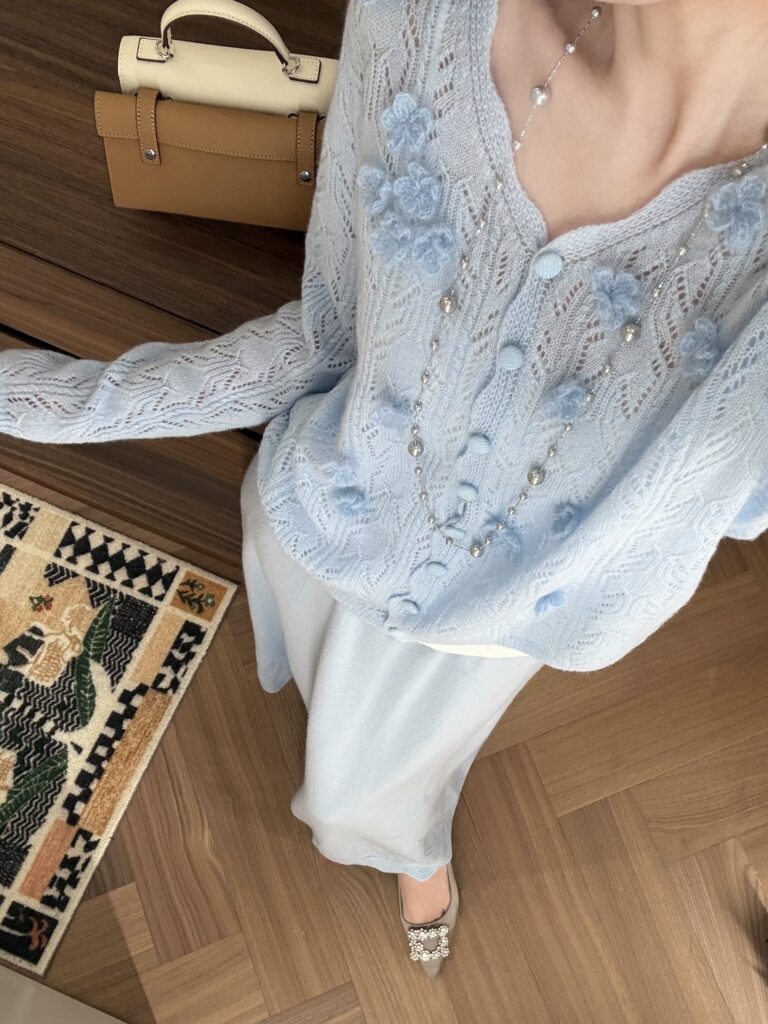
11.png)
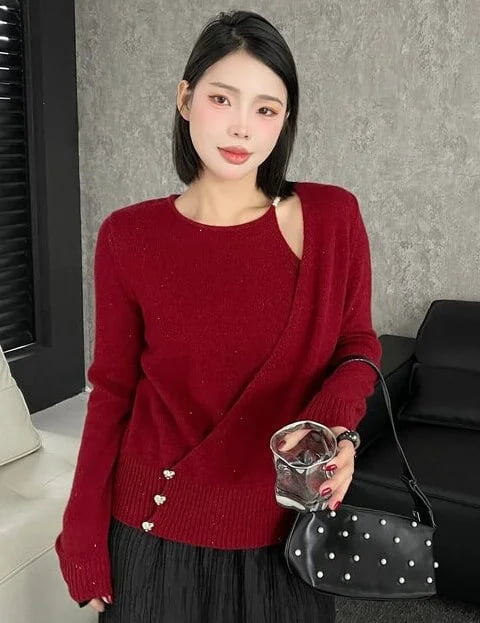
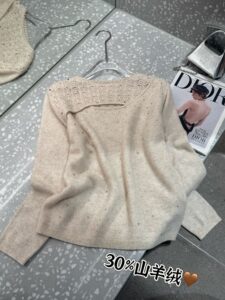 Sourcing custom knit sweaters from China remains the most cost-effective and flexible solution for clothing brands, wholesale distributors, and retail businesses worldwide. Chinese knitwear factories offer comprehensive OEM and ODM services, diverse material options, advanced knitting technology, and scalable production capacity for small-batch prototypes and large-volume bulk orders.
However, many international buyers encounter inconsistent quality, delayed lead times, unclear customization limits, unstable color consistency, and poor after-sales support when cooperating with unverified suppliers. To avoid common sourcing risks and build long-term reliable partnerships, you must evaluate multiple core factors before confirming your custom knit sweater manufacturer.
This guide covers all essential standards professional buyers use to screen qualified Chinese knitwear factories, covering material capability, craftsmanship standards, customization flexibility, quality control, certification compliance, MOQ policy, and production reliability.
1. Verify Yarn Material Supply and Material Stability
Yarn quality directly determines the hand feel, durability, elasticity, shrinkage rate, and grade of finished custom knit sweaters. Many low-tier suppliers use mixed, recycled, or inconsistent batch yarns, resulting in uneven texture, pilling, deformation, and color difference between orders.
When sourcing custom knit sweaters from China, confirm the following material capabilities:
• Complete yarn categories: Merino wool, cashmere blend, cotton, organic cotton, anti-pilling acrylic, recycled yarn, and seasonal lightweight or heavyweight yarn options
• Clear component proportion labeling without vague descriptions
• Stable batch consistency to avoid shade difference between pre-production samples and bulk goods
• Professional anti-shrinkage, softening, and shape-stabilizing finishing treatments
Reliable custom knit sweater factories maintain long-term cooperation with formal yarn mills, ensuring stable material supply and standardized physical indicators such as shrinkage rate and tensile strength.
2. Evaluate Knitting Gauge, Stitch Density and Craftsmanship Ability
Knit sweater quality is highly dependent on knitting gauge and stitch precision, which most novice buyers ignore. Different gauges determine fabric thickness, texture style, and wearing scenarios.
Standard industrial knitting gauges for custom sweaters:
• 3GG / 5GG: Heavyweight thick sweaters for autumn and winter
• 7GG / 9GG: Midweight daily casual knitwear
• 12GG: Lightweight fine knitting for minimalist styles
You should also check the factory’s technical capacity for complex craftsmanship: jacquard patterns, cable knitting, intarsia color matching, ribbed cuffs and hems, custom neckline structures, and hand-finished details.
Qualified manufacturers strictly control stitch density (SPI) to prevent loose stitching, sagging cuffs, and easy deformation after washing. Factories capable of both cut-and-sew and fully fashioned knitting can meet diverse brand design requirements.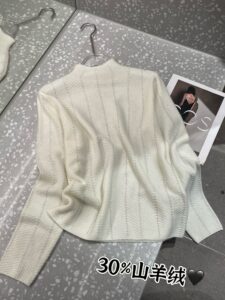
3. Confirm Full Customization Support (OEM / ODM Compatibility)
As a B2B custom knit sweater buyer, you need to confirm whether the supplier supports complete personalized customization instead of only ready-made pattern modification.
Professional Chinese knitwear manufacturers should provide:
• Custom pattern, logo jacquard, and color matching according to client artwork
• Custom size grading for men, women, and children’s styles
• Private label services: custom woven labels, care tags, brand embroidery, and exclusive packaging
• Custom silhouette, sleeve type, neckline, and hem design
• ODM independent design development for brands without complete tech packs
Avoid suppliers that only copy public styles. Long-term cooperative factories can optimize patterns, adjust proportions, and provide professional design suggestions according to market positioning.
4. Check Factory Certifications and Compliance Standards
Cross-border wholesale and brand retail require standardized product compliance to avoid customs detention and market sales risks.
When sourcing custom knit sweaters from China, prioritize factories with valid certifications:
• OEKO-TEX Standard 100 (safe and eco-friendly textiles)
• REACH compliance for European market sales
• BSCI or SEDEX social responsibility audits
• Environmental production system certification
These certifications prove standardized production processes, safe raw materials, and compliant factory management, which is essential for medium and high-end brand long-term cooperation.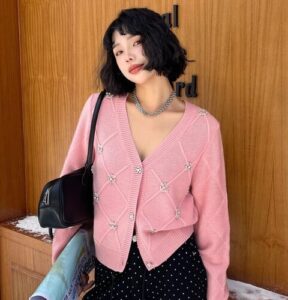
5. Clarify MOQ Policy, Sample Process and Tiered Pricing
Many buyers face hidden costs and rigid order limits when cooperating with small workshops. Formal custom knit sweater factories have transparent rules.
Key points to confirm:
• Clear MOQ for OEM and ODM orders per style and per color
• Acceptable prototype small-batch orders for new style testing
• Sample fee policy, mold opening fee, and refund rules for bulk orders
• Tiered bulk pricing for different order quantities
• Surcharge standards for special craftsmanship and custom materials
Reliable suppliers provide written quotations with detailed cost breakdowns, avoiding arbitrary price increases in mass production.
6. Inspect Strict Pre-Production and Bulk Quality Control
The biggest pain point of overseas buyers is inconsistent quality between samples and bulk goods. Professional Chinese knitwear manufacturers implement multi-stage quality control.
Standard quality control process:
1. Yarn incoming inspection to check color, thickness, and component compliance
2. Pre-production sample confirmation for pattern, size, and workmanship verification
3. Semi-finished product inspection during knitting and sewing
4. Finished product inspection for stitching, symmetry, color uniformity, and washing stability
5. Final packing inspection before shipment
Factories with stable QC systems effectively reduce defective rates, size deviation, and post-order after-sales disputes.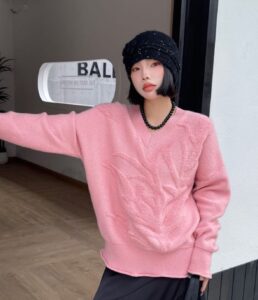
7. Confirm Lead Time, Production Capacity and Delivery Stability
Delivery stability determines your brand’s inventory cycle and market sales rhythm. When selecting a Chinese custom knit sweater supplier, evaluate real production capacity instead of exaggerated marketing data.
Key evaluation indicators:
• Standard sample lead time and bulk order production cycle
• Peak season capacity guarantee for autumn and winter knitwear orders
• Independent production workshop and complete knitting machine equipment
• Professional packaging team and stable forwarder cooperation
Large-scale formal factories can guarantee on-time delivery even during peak seasons, avoiding order delays that affect your market sales.
8. Verify After-Sales Service and Order Communication Efficiency
Cross-border customization requires precise communication of details such as patterns, sizes, craftsmanship, and revisions. Excellent suppliers provide dedicated sales and technical teams to track orders throughout the process.
Professional after-sales support includes:
• Real-time production progress updates
• Professional technical guidance for design revision
• Reasonable solution mechanism for minor defective products
• Flexible adjustment for order details before mass production
Final Conclusion
Sourcing high-quality custom knit sweaters from China is not simply finding the lowest price supplier. The core of long-term stable cooperation lies in verified material stability, mature craftsmanship, transparent customization rules, standardized quality control, compliant certification, and stable delivery capability.
By focusing on the above evaluation standards, clothing brands and wholesale buyers can effectively eliminate unqualified workshops, reduce sourcing risks, and establish stable OEM and ODM supply chains for custom knit sweater bulk orders.
If you are looking for a reliable China custom knitwear manufacturer that supports full customization, stable quality control, and flexible wholesale orders, professional factories can provide one-stop custom knit sweater solutions for global brands.